


Italian Wabi Sabi Interiors: Embracing Wabi Sabi in Italian Homes

There is a quiet beauty in imperfection. A gentle whisper in the cracks of an old wall, the soft patina of a weathered wooden beam, the subtle asymmetry of a hand-thrown ceramic bowl. I find myself drawn to these moments, these small, imperfect details that tell stories of time, of life lived fully and without pretense. This is the essence of wabi sabi—a Japanese philosophy that celebrates the beauty of impermanence and imperfection. But what if we could bring this delicate, poetic sensibility into the heart of Italian homes? How might the rustic charm of Italy blend with the humble elegance of wabi sabi?
The Soul of Italian Wabi Sabi Interiors
Italian homes have always been a canvas of history and warmth. Stone walls, terracotta floors, and sun-drenched spaces speak of generations and traditions. Yet, there is room for a new narrative—one that embraces wabi sabi as a way to deepen the connection between space and soul.
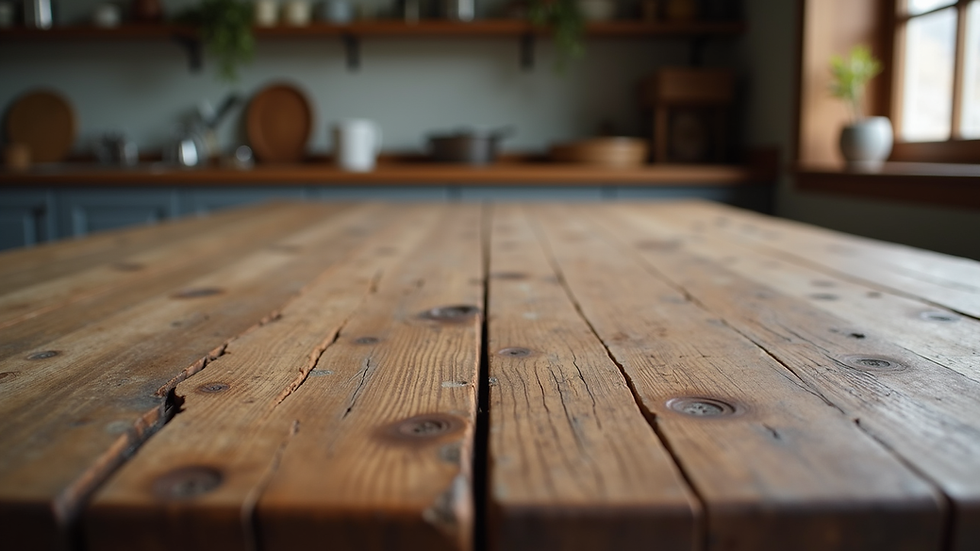
Imagine a kitchen where the worn edges of a wooden table are not hidden but celebrated. Where a cracked terracotta pot becomes a vessel of stories rather than a flaw to be discarded. This is not about creating perfection but about inviting authenticity.
In Italian homes, this means blending the rustic with the refined, the old with the new. It means choosing materials that age gracefully—limestone, aged leather, linen—and allowing natural light to dance on surfaces that bear the marks of time. It is a slow dance, a meditation on beauty that is alive and evolving.
How to Bring Italian Wabi Sabi Interiors to Life
You might wonder, how do I start? How do I infuse my home with this quiet elegance without losing the Italian spirit that feels so familiar? The answer lies in intention and simplicity.
Choose natural materials: Stone, wood, clay, and linen are your allies. Let their textures and imperfections shine.
Embrace asymmetry: Perfect symmetry can feel cold. Allow furniture and decor to have slight irregularities.
Celebrate wear and tear: Instead of hiding scratches or chips, highlight them as marks of a lived life.
Use muted, earthy tones: Soft greys, warm browns, and gentle greens create a calming palette.
Incorporate handmade objects: Hand-thrown ceramics, woven baskets, and artisanal textiles add soul.
For example, a terracotta floor in a Genoese home, worn smooth by decades of footsteps, becomes a tactile reminder of family gatherings and quiet mornings. A linen curtain, slightly frayed at the edges, filters the Mediterranean light with a softness that no synthetic fabric can replicate.
This approach is not about clutter or chaos. It is about intentionality—curating a space that breathes with you, that tells your story in every crack and crease.
The Intersection of Tradition and Wabi Sabi in Genoa
Living in Genoa, I see the perfect stage for this philosophy. The city’s narrow alleys, ancient palazzi, and sea-washed facades already whisper of impermanence and resilience. Why not bring that spirit inside?
In Genoese homes, the fusion of wabi sabi and Italian tradition can be a powerful statement. Imagine a living room where a vintage armchair, reupholstered in faded linen, sits beside a modern, minimalist lamp. The contrast is not jarring but harmonious—a dialogue between past and present.
Or a bathroom where a cracked ceramic sink is paired with sleek brass fixtures, the imperfection of the basin softening the modernity of the metal. This is where the soul of wabi sabi home design italy truly shines—melding the old-world charm with contemporary needs.

Practical Tips for Incorporating Wabi Sabi in Your Italian Home
If you are ready to invite wabi sabi into your space, here are some practical steps to guide you:
Start small: Begin with one room or even a corner. Replace a polished vase with a handmade, imperfect one.
Declutter mindfully: Keep only what you love and what tells a story. Let go of the superfluous.
Use natural light: Open windows, use sheer curtains, and let sunlight reveal the textures of your home.
Mix old and new: Pair antiques with modern pieces to create balance.
Focus on craftsmanship: Support local artisans and choose handmade items that carry the mark of the maker.
Accept impermanence: Allow your home to evolve. Don’t rush to fix every flaw; sometimes, the beauty is in the process of aging.
By following these steps, your home becomes a living poem—one that honors the past, embraces the present, and welcomes the future with open arms.
Living with Wabi Sabi: A Journey, Not a Destination
To live with wabi sabi is to accept life’s ebb and flow. It is to find peace in the unfinished, the imperfect, the transient. In Italian homes, this philosophy invites us to slow down, to savor the tactile and the tangible, to listen to the stories embedded in every surface.
I often ask myself: can a cracked vase hold more meaning than a flawless one? Can a faded wall tell a richer story than a freshly painted one? The answer, I believe, is yes. Because in those imperfections, we find humanity. We find connection.
This journey is deeply personal. It is about creating spaces that reflect who we are—flawed, evolving, beautiful. It is about crafting homes that are not just shelters but sanctuaries.
If you are curious to explore this path, consider reaching out to experts who understand the delicate balance of tradition and innovation. For those in Genoa, Miria Uras offers a unique vision—designs that are not only aesthetically pleasing but deeply personal, spaces that breathe with your story.
Embracing wabi sabi in your Italian home is more than a design choice. It is a way of life. A quiet celebration of beauty that is humble, honest, and enduring.
I invite you to imagine your home anew. To see the cracks not as flaws but as poetry. To let the light in and watch how it dances on surfaces that have lived and loved. This is the heart of Italian Wabi Sabi interiors—a space where imperfection becomes perfection, and every corner holds a story waiting to be told.
For more inspiration on how to blend these philosophies, explore wabi sabi home design italy and discover how your home can become a sanctuary of timeless beauty.


Commenti